
car-dealership-with-hearing-loop – Car Dealership with Hearing Loop Improves Accessibility

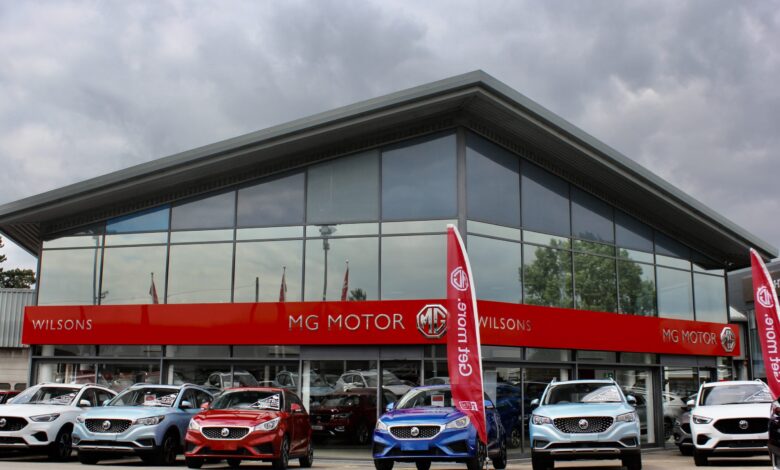
A car dealership with hearing loop system installed in its showroom ensures clearer communication for customers with hearing loss. The technology transmits audio directly to hearing aids, reducing background noise interference. Readers exploring car-dealership-with-hearing-loop will also find context in when-hondingo88-patches-pc – When Hondingo88 Patches PC: What Users Should Know
How Hearing Loops Work in Automotive Retail Environments
Hearing loops use electromagnetic signals to send sound from a microphone or public address system directly to hearing aids equipped with telecoils. This allows individuals with hearing impairments to hear speech more clearly without amplifying surrounding noise. In a car dealership with hearing loop, sales consultants can speak naturally while customers receive amplified, distortion-free audio through their devices. The system typically covers consultation areas, service counters, and waiting zones to ensure consistent access throughout the customer journey. wikipedia.org/wiki/Tesla_US_dealership_disputes” rel=”noopener noreferrer” target=”_blank”>Tesla US dealership disputes
Installation involves placing a loop of wire around the perimeter of a room or specific zone, connected to an amplifier and audio source. When activated, the loop generates a magnetic field that interacts with the telecoil in compatible hearing aids. Customers simply switch their hearing aids to the ‘T’ position to access the transmitted audio. This technology is particularly effective in environments with high ambient noise, such as busy showrooms or service bays where engines and tools create auditory distractions.
Benefits for Customers and Dealership Operations
For customers with hearing loss, a car dealership with hearing loop offers a more inclusive and dignified experience. It reduces misunderstandings during vehicle demonstrations, financing discussions, and service explanations. Clear communication helps build trust and confidence, especially when discussing technical specifications or warranty terms. Many customers report feeling more respected and valued when businesses accommodate their needs proactively. carmotocar.com/2026/01/car-dealerships-with-hearing-loop.html” rel=”noopener noreferrer nofollow” target=”_blank”>Car Dealerships with Hearing Loop Accessibility
From an operational standpoint, dealerships benefit from improved customer satisfaction and loyalty. Accessible communication can lead to longer visits, increased test drives, and higher conversion rates. Staff also report reduced frustration when explaining complex features, knowing the message is being received accurately. Some dealerships have integrated hearing loop signage to inform customers of the available support, encouraging its use without requiring individuals to disclose their hearing status.
Implementation Challenges and Considerations
While the benefits are clear, installing a hearing loop system requires careful planning. Factors such as room size, electrical interference, and background noise levels must be assessed before installation. Professional assessment ensures optimal coverage and signal strength. Additionally, staff training is essential—employees should understand how the system works and how to assist customers in using it effectively.
Cost can be a barrier for smaller dealerships, though prices have decreased in recent years. Basic systems start at a few hundred dollars, while larger installations may require several thousand. However, many view it as a long-term investment in customer inclusivity and compliance with accessibility standards. Some regions offer grants or tax incentives for businesses improving accessibility, which can offset initial expenses.
What Is Confirmed and What Remains Unverified
Several major automotive brands have begun piloting accessibility initiatives, including sensory-friendly showrooms and staff training on disability awareness.
However, the exact number of car dealerships with hearing loop systems remains unclear. No centralized database tracks installations across the industry. While anecdotal evidence suggests growing interest, widespread adoption has not yet been achieved. Additionally, customer awareness of the technology varies—some individuals may not realize their hearing aids are compatible or that the system is available.
Why Accessibility Enhancements Matter for Future Retail
As the population ages, the number of people with hearing loss is expected to rise. Businesses that prioritize accessibility today will be better positioned to serve future customers. A car dealership with hearing loop not only meets legal obligations in some jurisdictions but also demonstrates a commitment to equitable service. This proactive approach can differentiate a brand in a competitive market.
Looking ahead, integrating hearing loops with digital tools—such as mobile apps that activate the system or provide real-time captions—could further enhance the experience. Partnerships with hearing health organizations may also help dealerships stay informed about best practices and emerging technologies. Ultimately, small changes in communication infrastructure can have a significant impact on customer inclusion and long-term business success.
